Shifting Viewer Habits Reveal New Patterns in Film Access Across Theaters and Streaming Services
Written by Rafael Albrecht · Sep 24, 2026
Shifting Viewer Habits Reveal New Patterns in Film Access Across Theaters and Streaming Services
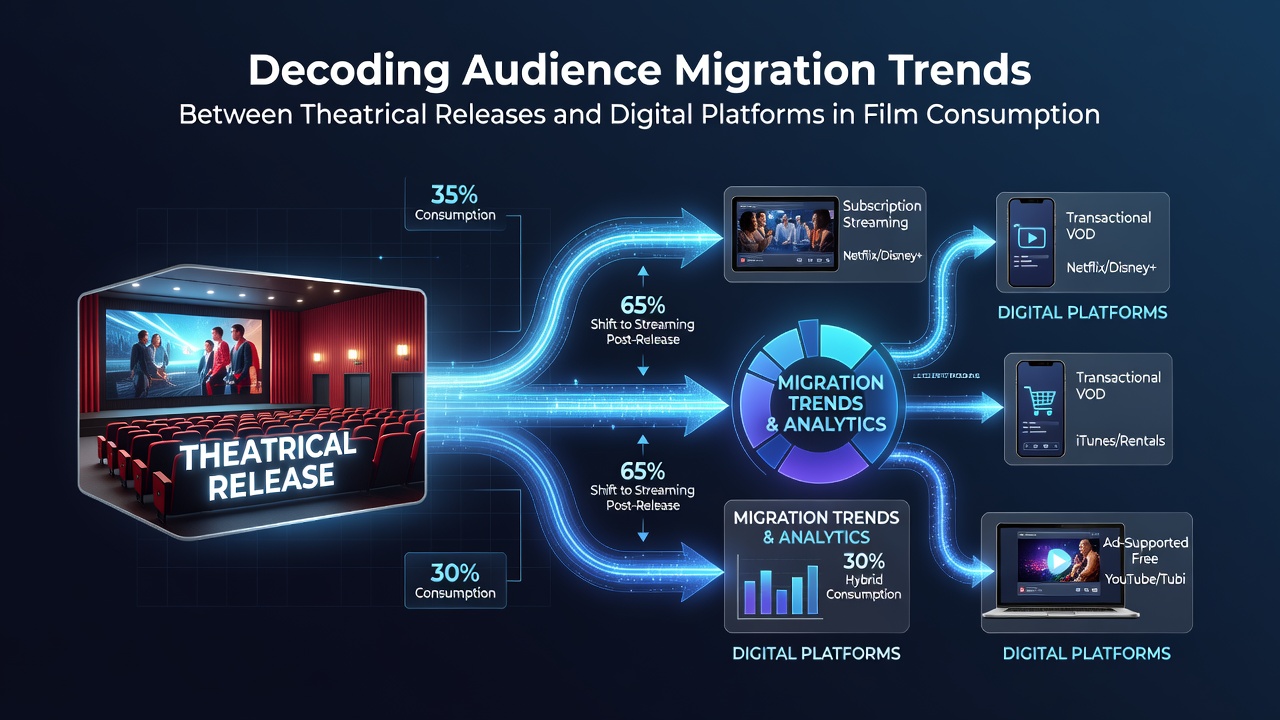
Industry reports track how audiences move between cinema screenings and digital platforms as release models continue to adapt, and data collected through 2025 shows measurable changes in consumption timing. Viewers often start with theatrical openings for major titles before shifting to home options within weeks or months, while smaller productions bypass theaters entirely in favor of direct platform launches.
According to figures from the Motion Picture Association, theatrical attendance in North America held steady for event-driven films during summer 2025 yet declined for mid-tier releases that moved quickly to video-on-demand services. Researchers at the European Audiovisual Observatory noted similar patterns across several member states where streaming accounted for over 60 percent of first-viewing access by late 2025.
Timing Windows and Platform Strategies Shape Choices
Release schedules tightened in many markets after 2023, and studios shortened the gap between cinema runs and digital availability from 90 days to as little as 30 in select cases. This adjustment coincided with rising subscription numbers on major platforms, which reached 1.2 billion global accounts by mid-2025 according to internal industry tallies. Audiences responded by waiting for home access when ticket prices rose or when travel to theaters proved inconvenient, particularly in suburban and rural zones.
Yet premium large-format screenings maintained strong draw for franchise entries, and box-office data from September 2026 indicates that IMAX and similar venues captured nearly 25 percent of total theatrical revenue for action-heavy titles. At the same time, catalog titles from earlier decades saw renewed plays on ad-supported streaming tiers, suggesting that migration flows operate differently depending on content age and marketing spend.
Regional Differences Emerge in Access Preferences
Markets in Asia-Pacific demonstrated faster adoption of hybrid models where theatrical premieres ran alongside simultaneous digital drops for select independent films. Government-supported screen quotas in several countries encouraged continued cinema investment even as digital revenues grew, and analysts tracking these policies found that local productions benefited from both channels rather than competing directly. In contrast, European territories leaned toward extended theatrical windows for arthouse titles before platform availability, preserving cultural exhibition circuits.
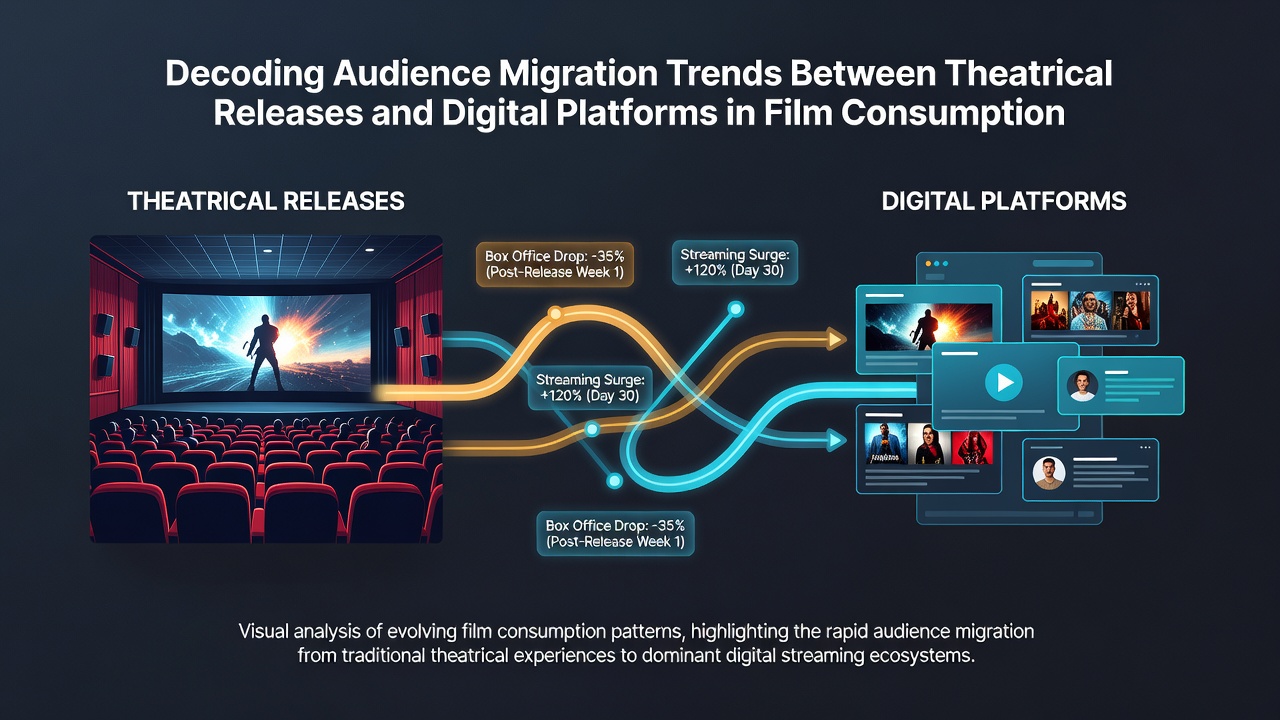
North American viewers showed the clearest split by age group, with those under 30 opting for digital-first consumption in 70 percent of tracked cases per 2025 survey data, whereas older demographics retained higher theater attendance rates for new releases. These splits influenced marketing budgets, and distributors allocated more resources toward social media campaigns timed to digital launch windows rather than traditional television spots.
Data Sources Track Behavioral Shifts Over Time
Longitudinal studies compiled by academic teams at universities in Australia and Canada reveal that repeat viewings now occur more frequently on digital platforms than in theaters, partly because pause-and-resume functions reduce barriers compared with fixed screening times. Subscription fatigue appeared in some segments by early 2026, prompting users to rotate services or rely on free ad-supported tiers for older catalog films. This rotation further fragments viewing data and makes precise migration tracking more complex for researchers.
Box-office recovery metrics from 2025 showed theatrical revenue climbing back toward pre-2020 levels for blockbuster categories, while overall ticket sales remained below historic peaks. Digital transaction revenues, including rentals and purchases, continued their upward trajectory and offset some of the slower theatrical segments. Observers note that these parallel growth paths indicate audiences maintain distinct uses for each format rather than fully abandoning one for the other.
Conclusion
Patterns documented through 2026 demonstrate that film consumption continues to diversify across theatrical and digital channels without a single dominant path. Release timing, regional policies, age demographics, and content type each contribute measurable effects on where and when viewers choose to watch. Ongoing data collection from industry associations and academic sources will clarify whether these trends stabilize or shift again with new platform features and economic conditions.